
Equine Asthma: Understanding Respiratory Health in Horses
Respiratory health plays a fundamental role in a horse’s comfort, performance, and overall wellbeing. Among the most common challenges faced by horse owners is equine asthma—a condition that can range from mild sensitivity to more persistent respiratory compromise.
Understanding how the respiratory system functions, and how it can be supported through management and nutrition, is key to long-term equine health.
What Is Equine Asthma?
Equine asthma is a broad term used to describe inflammatory conditions affecting the lower airways of the horse. It is typically triggered by environmental factors rather than infection.
These may include:
Dust from hay or bedding
Mould spores
Pollen and seasonal allergens
Stable air quality and ventilation
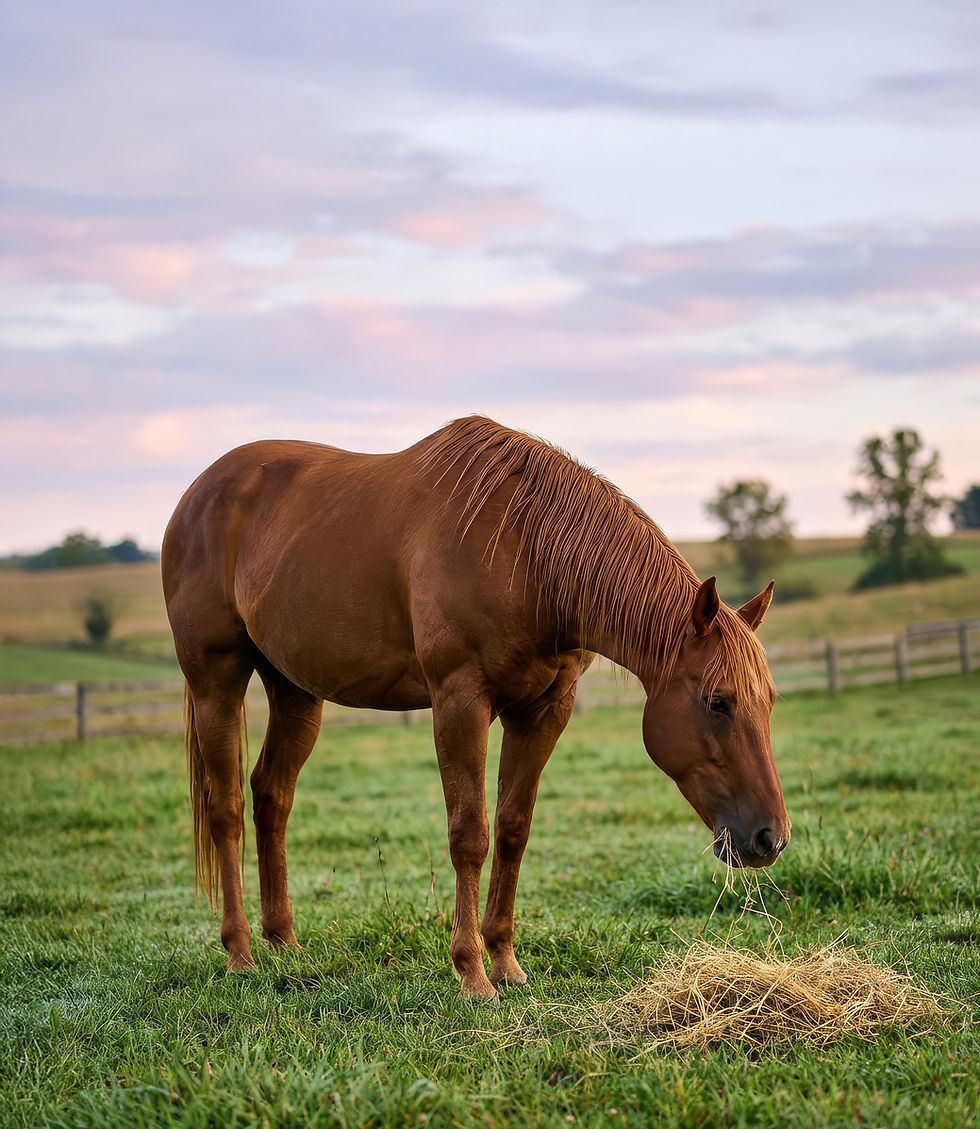
The condition exists on a spectrum, from mild respiratory sensitivity to more advanced cases requiring veterinary management.
Recognising the Signs
Early recognition is important. Horses experiencing respiratory challenges may show:
Occasional or persistent coughing
Nasal discharge
Increased respiratory effort
Reduced performance or stamina
Sensitivity in dusty or enclosed environments
In more advanced cases, breathing may become visibly laboured.
The Role of Environment
Environmental management is one of the most important factors in supporting respiratory health.
Key considerations include:
Reducing dust exposure (e.g. soaked or steamed hay)
Improving stable ventilation
Using low-dust bedding
Maximising turnout where possible
Even small adjustments can have a significant impact on respiratory comfort.
A Whole-System Perspective
Respiratory health should not be viewed in isolation. It is closely linked to:
Immune system function
Inflammatory balance
Overall nutritional status
This is why a whole-system approach is often more effective than focusing on a single factor alone.
Nutritional Support for Respiratory Health
While veterinary care is essential in more serious cases, nutritional support can play a role in maintaining normal respiratory function.
A well-considered formulation may include components that support:
Airway comfort
Normal mucus regulation
Antioxidant balance
Immune system resilience
Importantly, this support is not about replacing veterinary treatment, but about contributing to overall respiratory health as part of a balanced management approach.
Consistency Over Quick Fixes
One of the most common misconceptions is the expectation of rapid results.
In reality, respiratory health in horses is influenced by ongoing exposure to environmental factors. This means that consistent management—combined with appropriate nutritional support—is often more effective than short-term interventions.
When to Seek Veterinary Advice
It is important to seek professional guidance if:
Breathing becomes laboured
Symptoms worsen or persist
The horse shows signs of distress
Early intervention can prevent more serious complications and support long-term outcomes.
Supporting Long-Term Respiratory Health
Equine asthma is a manageable condition when approached with a combination of:
Environmental awareness
Consistent management practices
Thoughtful nutritional support
By understanding the factors involved, horse owners can take a more informed and proactive approach to respiratory wellbeing.
Learn More
For those looking to support respiratory health as part of a broader management approach, exploring carefully formulated equine supplements can provide an additional layer of support.


Comments